

With the deployment of 5G and the 6G vision being developed, the main challenges for SMARTNESS are how to design and operate cloud computing infrastructures and networks with adequate capabilities to leverage the next generation of Internet services and applications. The scope of end-to-end services at the Internet scale is exceptionally broad and requires contributions across multiple disciplines along with large investments in capital and human resources.
SMARTNESS aims to explore well-planned opportunities through an appropriate methodology based on the confluence of Research Strands (RS) designed to successfully impact world-class research and innovation through Scientific and Technological Advancements (STA) to address challenging use cases in Internet scenarios for industry and society with a vision on the horizon for the year 2030.


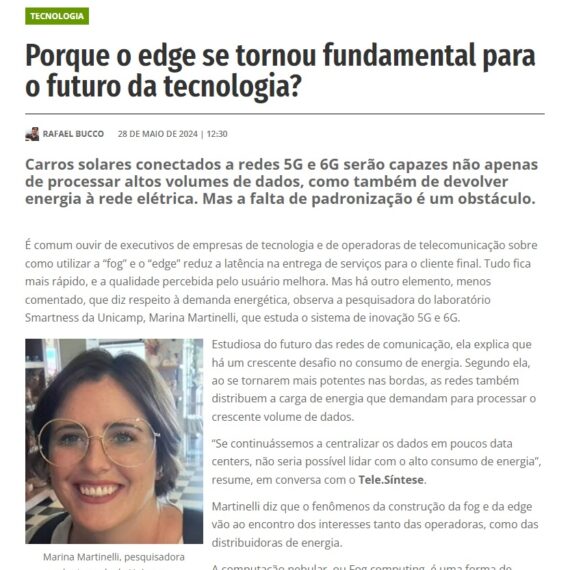
SMARTNESS doctoral researcher Marina Martinelli gave an interview to the Tele.Síntese channel, a media outlet focused on information technology.
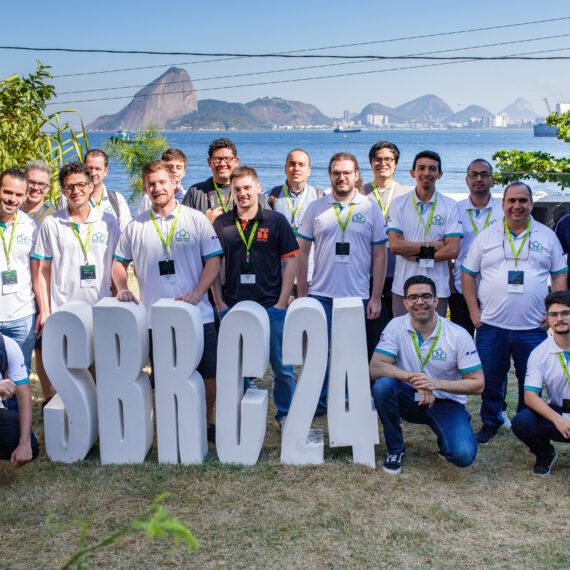
SMARTNESS was present at the 42nd Simpósio Brasileiro de Redes de Computadores e Sistemas Distribuídos (SBRC), 2024 edition held at Federal Fluminense University (UFF), Niterói, Brazil.
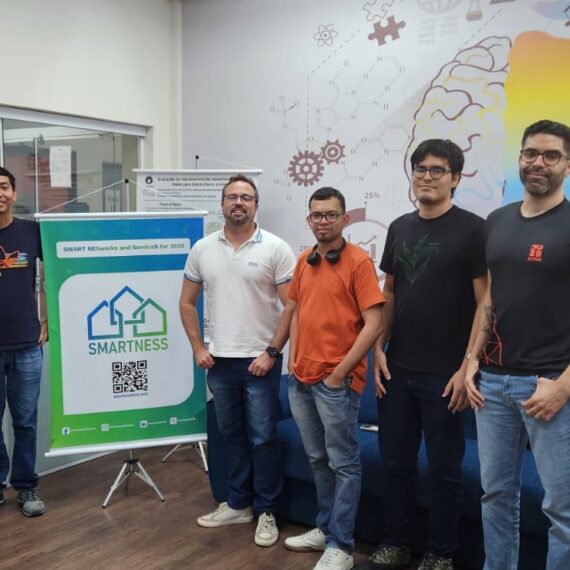
From April 20th to May 18th, students from Smart and Sustainable Cities Laboratory (LACIS) at UFPA involved in SMARTNESS C3LA
© 2024 SMARTNESS 2030